
Navigating Retirement in the North Bay
The “House-Rich, Cash-Poor” Reality for Marin & Sonoma Seniors
Quick Answer
The “house-rich, cash-poor” paradox affects North Bay seniors who own multi-million-dollar properties but struggle with monthly cash flow due to fixed incomes, soaring property insurance, and rising inflation. Modern Home Equity Conversion Mortgages (HECMs) and jumbo reverse mortgages allow long-time Marin and Sonoma County homeowners aged 62+ to convert home equity into tax-free cash without giving up property ownership or taking on new monthly mortgage payments.
Understanding the North Bay Housing Paradox
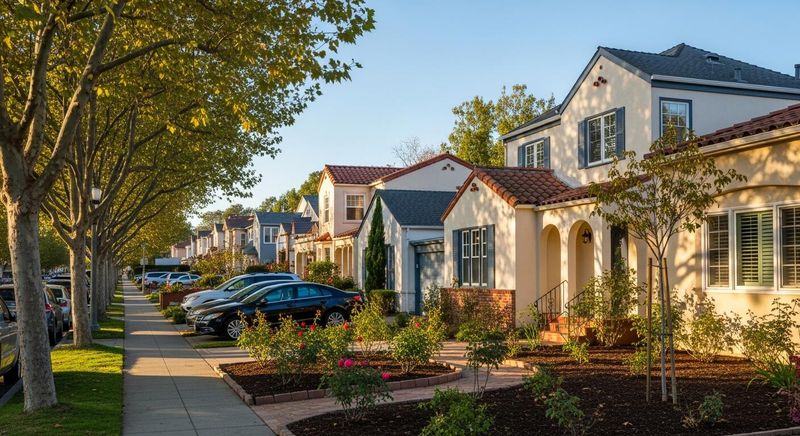
Marin and Sonoma Counties are famous for beautiful landscapes, vibrant communities, and premier real estate. For the young families and tech professionals moving in, it is a region of new money.
But for the long-time residents who built these communities—the “old-timers” who have owned their homes for 20, 30, or 40 years—the financial reality looks very different. You may be sitting on a multi-million-dollar asset, yet struggling to cover daily living expenses. This is the house-rich, cash-poor paradox.
The data
The Statistics: What Local Data Shows
You are not alone in this situation. Local and regional studies paint a clear picture of the economic strain facing North Bay seniors:
- High Senior Cost Burden: According to data from the California Department of Aging, 56% of low-income older adult households in Marin County and 58% in Sonoma County are considered “housing cost-burdened,” spending over 30% of their limited income just to keep their homes running.
- Income Disparity: While property values surge, senior incomes remain stagnant. In Sonoma County, the median income for older adults sits at $78,826—which is $24,014 below the countywide median.
- A Rapidly Aging Population: Marin County famously holds the title of having the highest percentage of older residents of any Bay Area county. Sonoma County faces a parallel boom, with senior advocates reporting skyrocketing rates of late-life economic insecurity.
- The High Cost of Independence: Research from the Joint Center for Housing Studies of Harvard University highlights that 37% of households headed by someone aged 80 or older are cost-burdened, leaving little left over for medical bills or groceries.
Why Long-Time Homeowners Face Financial Strain
Decades of homeownership should guarantee a comfortable retirement. Instead, North Bay seniors are squeezed by unique local factors:
- Surging Homeowner’s Insurance: California’s turbulent insurance market has sent premiums skyrocketing, particularly in the fire-prone, wooded corridors of Sonoma and Marin.
- The “Paper Wealth” Trap: If you bought your home in the 1970s or 80s for $80,000, it might be worth $1.5 million today. While that looks great on paper, you cannot buy groceries or pay a doctor with a brick-and-mortar wall.
- Deferred Maintenance Costs: Older, historic North Bay homes require expensive upkeep. Replacing a roof, upgrading plumbing, or wildfire-proofing a property can decimate a fixed retirement budget.
- Inflation vs. Fixed Incomes: Social Security and modest pensions simply have not kept pace with the soaring cost of everyday items in Northern California.
Stay in the Home You Love with a Reverse Mortgage

You should not have to sell your home and leave your community just to access the funds you need to live comfortably. A Home Equity Conversion Mortgage (HECM)—commonly known as a reverse mortgage—is a financial tool ideally suited for North Bay seniors.
- Eliminate Monthly Mortgage Payments: Convert existing debt into a loan that requires no monthly principal or interest payments, freeing up immediate cash flow (borrowers remain responsible for property taxes, insurance, and maintenance).
- Access Tax-Free Cash: Receive home equity as a lump sum, monthly tenure payments, or a growing line of credit to use for healthcare, home retrofitting, or emergency funds.
- Maintain Homeownership: You keep the title to your home and continue living in it. You retain total control of your property while making your accumulated wealth work for you.
See your own numbers
What Could You Qualify For?
Try the calculator below for a free, no-obligation estimate based on your home’s value and age. It only takes a couple of minutes.
Overcoming the Stigma Problem

North Bay homeowners tend to be well-educated, and that cuts both ways. Some people take one meeting, understand exactly how the numbers work, and move forward with total confidence. Others hear “reverse mortgage” and assume it’s for people who’ve run out of options—relying on the same outdated stories from twenty years ago.
Many homeowners express pride in “not being the type” who would need a loan like this. Yet, financially stable homeowners who want to preserve investments, eliminate cash drains, or build emergency reserves are often the exact people who benefit most from unlocking home equity.
Staying Isn’t the Only Option: Prop 13 vs. Prop 19
Understanding California tax laws gives North Bay homeowners immense flexibility:
- Proposition 13: Protects long-time homeowners who choose to stay put by keeping property tax increases capped at modest annual rates.
- Proposition 19: Protects eligible homeowners aged 55+ who decide to downsize or relocate. Prop 19 allows you to carry your existing low property tax base to a replacement primary residence anywhere in California.
Whether your goal is to stay comfortably in your current residence or downsize locally using a HECM for Purchase, you have options.
Common questions
Frequently Asked Questions
Home equity is illiquid wealth that cannot pay for daily living expenses. A property worth $1.5 million does not pay grocery bills, medical fees, or rising home insurance premiums unless you convert a portion of that equity into usable cash flow—either by selling or using a financial tool like a reverse mortgage.
Yes, both laws play a crucial role in managing your property tax burden. Prop 13 keeps your property taxes predictable if you stay in your current home, while Prop 19 allows homeowners 55+ to transfer their low tax base to a new primary residence in California if they choose to move.
A reverse mortgage on a farm or agricultural property in Sonoma County is possible only if the property’s primary use is residential rather than a commercial farming operation.
Federal Housing Administration (FHA) rules require Home Equity Conversion Mortgages (HECMs) and proprietary reverse mortgages to be secured strictly by residential primary residences.
Key Qualifying Factors for Sonoma County Acreage & Farms
Working Farm vs. Residential “Hobby” Farm:
- Ineligible: Properties operated as commercial agricultural businesses—such as working vineyards, commercial orchards, livestock operations, or income-producing farmland—do not qualify under FHA guidelines.
- Eligible: Having personal gardens, a few horses, small outbuildings/barns, or keeping personal livestock will not disqualify you, as long as the property is used primarily as a residence and not a commercial enterprise.
Zoning and Highest & Best Use: The property must be zoned for residential use (or residential-agricultural where the highest and best use is residential). The surrounding area must also consist primarily of residential properties.
Yes, I serve clients throughout Northern California, though Marin and Sonoma Counties are where I live, work, and meet in person. Being local allows me to provide hands-on guidance tailored to North Bay property values, local insurance issues, and community resources.
The short version
Key Takeaways
- Local StrainHigh property values mask real cash flow shortages caused by homeowners insurance, upkeep, and inflation.
- Supported by DataState and local assessments confirm high senior housing cost burdens in both counties.
- Tax Protection FlexibilityProp 13 protects homeowners who stay; Prop 19 protects homeowners who relocate.
- Local ExpertiseDirect, in-person advocacy from a Senior Specialist who lives in Sonoma County and grew up in Marin.
Sources: Marin County 2023 Older Adult Needs Assessment · Sonoma County Master Plan for Aging · The Geography of Aging – Local News Matters · Mt. Tam Community Land Trust
Last Updated: August 2026